Invention: A Handwritten Font with Authentic Charm
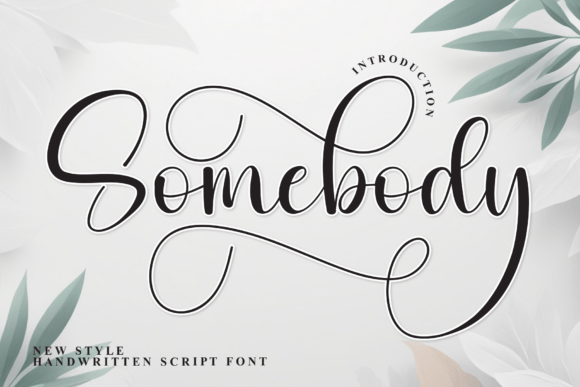
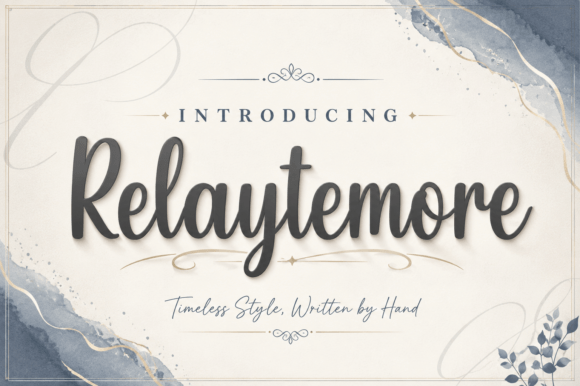
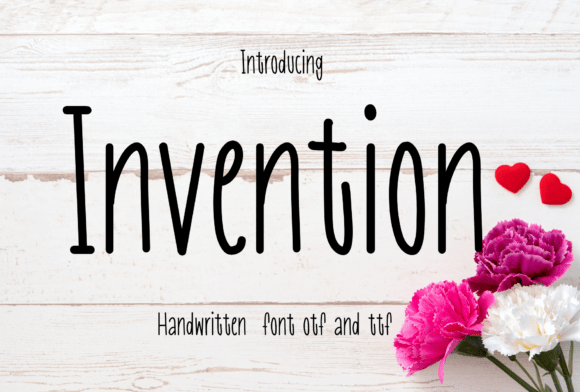
There's a particular magic in a font that feels genuinely human. It's the difference between a sterile, corporate announcement and a heartfelt note slipped under your door. Invention, a charming handwritten typeface, captures that magic with its tall, slim silhouette and delightfully quirky lines. It doesn't just mimic handwriting; it embodies the warmth, personality, and slight imperfections that make a message feel personal and approachable. This isn't a font for declaring legal terms or presenting quarterly data. It's for the projects that need a soul—the birthday card, the indie coffee shop menu, the inspirational quote that feels like it was written just for you.
More Than Just Pretty Letters: The Visual Personality of Invention
At first glance, Invention presents a clean and legible structure, a crucial foundation for any typeface aiming for broad use. Its letters are thoughtfully spaced, avoiding the cramped or overly loose feel that can plague many script fonts. But look closer, and you'll find its character. The slight variations in stroke weight and the subtle, natural curves give it an authentic "homemade" quality. It strikes a careful balance: it's whimsical enough to feel creative and friendly, yet its clarity ensures it never sacrifices readability for style. This makes it a versatile display font that can headline a project without overwhelming the content.
For a designer or entrepreneur, understanding a font's personality is key to matching it with a brand's voice. Invention's voice is warm, inviting, and optimistic. It speaks of creativity, care, and a touch of playfulness. It’s the visual equivalent of a friendly smile and a welcoming handshake.
Where Invention Truly Shines: Practical Applications for Creators
The true test of any design asset is its utility across different mediums. Invention excels in scenarios where a human touch is desired, bridging the gap between digital and physical with ease.
- Branding & Logo Design: For small businesses, cafes, bakeries, children's boutiques, or artisanal brands, a handwritten font like Invention can become the cornerstone of a friendly and memorable brand identity. It instantly communicates approachability and craftsmanship.
- Packaging & Merchandise: Imagine Invention on a kraft paper bag for a farmers' market stand, a label for homemade jam, or the front of a t-shirt for a local community event. It adds instant character and a premium, crafted feel to packaging design and merchandise.
- Editorial & Digital Layouts: In editorial design, it can be used for pull quotes, chapter headings in a lifestyle magazine, or blog post titles to break the monotony of standard serif fonts or sans serif fonts. Paired correctly, it adds a dynamic visual rhythm to a layout.
- Social Media & Marketing Assets: In the fast-scrolling world of social media, personality stops thumbs. Use Invention for Instagram story text, Pinterest pin titles, Facebook ad copy, or quote graphics. It makes social media graphics feel less like ads and more like authentic communications.
- Print & Personal Projects: Its utility extends beautifully into personal creativity. Design stunning wedding invitations, heartfelt Mother's Day cards, personalized gift tags, or inspirational prints for your home. For crafters using Cricut or Silhouette machines, its clean lines ensure it cuts beautifully.
Achieving Visual Harmony: Pairing Invention with Other Typefaces
One of the most powerful skills in typography is font pairing. A creative font like Invention is a star player, but it needs a supporting cast to create a complete visual system. The goal is contrast and complement.
A classic and effective strategy is to pair a handwritten script with a clean, neutral sans serif font. Think of Invention for headlines or key phrases, paired with a font like Montserrat, Open Sans, or Lato for body text. This combination provides the personality up top while ensuring long paragraphs remain effortlessly readable. The sans serif acts as a quiet, professional partner, letting the handwritten element sing without causing visual chaos.
For a different feel, you could pair it with a simple, geometric serif font. This can create a more sophisticated, yet still approachable, look—perhaps for a boutique hotel's brochure or a high-end artisan's catalog. The key is to test extensively. Place your font pairing in context: mock it up on a website header, a business card, or a social media post. Check the hierarchy. Does the eye flow naturally from the most important element to the least? If the two fonts compete for attention, the pairing isn't working.
From Download to Design: Working with the Invention Font
Practicality matters. A beautiful font is useless if it's difficult to implement. Invention is provided in both OTF and TTF formats, ensuring compatibility across both PC and Mac systems. Installation is straightforward, typically involving a simple double-click on the font file and clicking "Install."
Once installed, it's accessible in all major design software—Adobe Illustrator, Photoshop, InDesign—as well as common applications like Microsoft Word. This makes it a genuinely accessible tool for both professional designers and those working outside of specialized creative suites. Furthermore, it is PUA Encoded, meaning you can access all its characters, including any special ligatures or stylistic alternates, directly from your keyboard or software's glyph panel without needing extra plugins.
Before finalizing any project, always consider the context of readability. While Invention is crafted for clarity, a handwritten style is best used for shorter bursts of text—titles, labels, quotes, or single lines. For body copy in a brochure or a website paragraph, always opt for a highly legible modern typography workhorse. Use Invention to accent, not to inform entire blocks of text.
Considering the Bigger Picture: Licensing and Professional Use
When you integrate a new typeface into your toolkit, especially for commercial work, understanding its licensing is non-negotiable. Invention is typically offered as a premium font with a license that covers both personal and commercial projects. This means you can confidently use it for your client's logo, your own product line, or marketing materials without legal ambiguity. Always review the specific license details provided upon purchase to ensure your intended use is covered, but this font is designed to be a versatile, commercial font for the modern creative's needs.
Ultimately, adding a font like Invention to your library is about expanding your expressive range. It’s a tool that helps you tell stories with warmth and personality, whether you're building a brand from the ground up or adding a personal touch to a side project. It reminds us that at the heart of great design is communication that feels human.